
Creativity and mental health
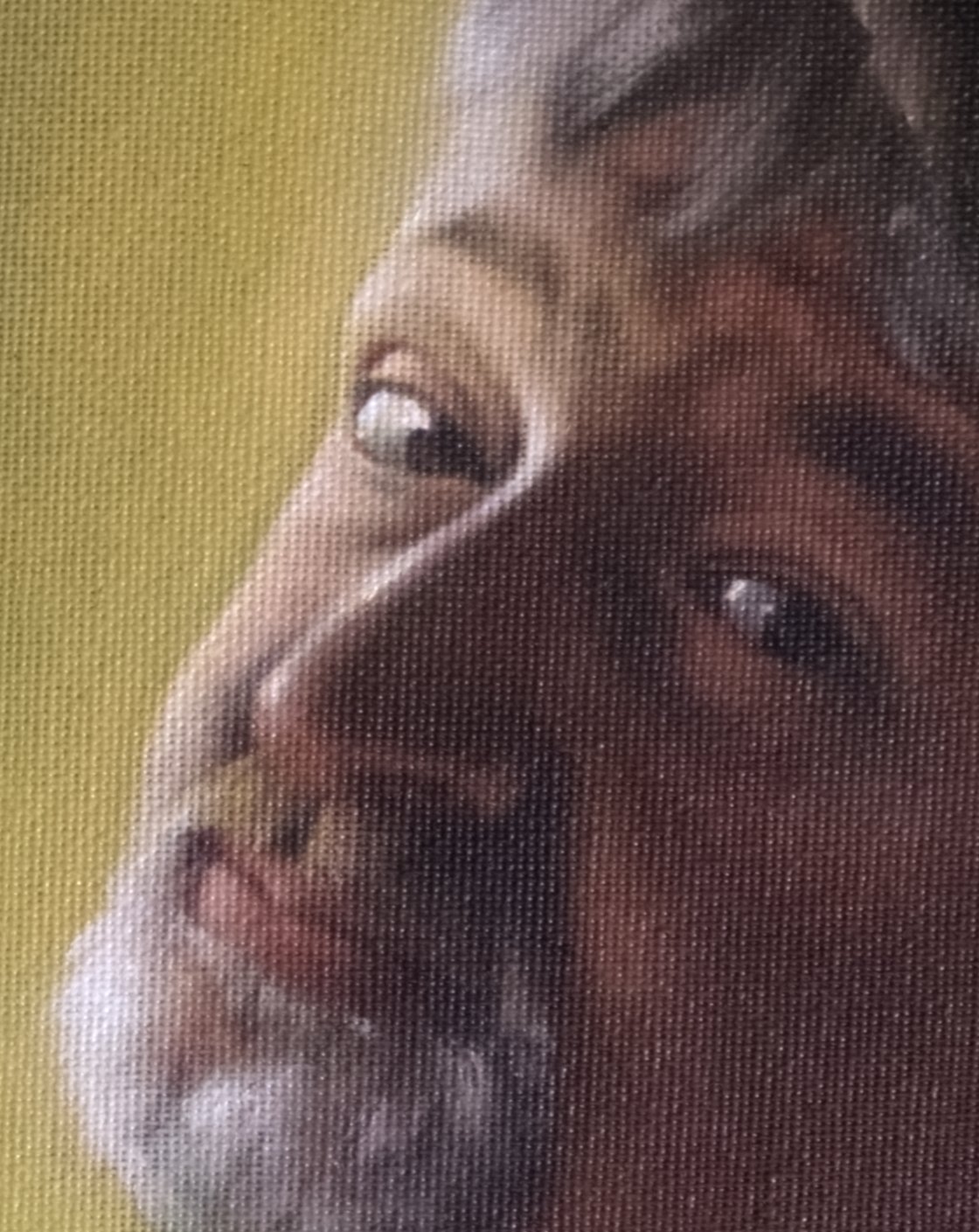
Creativity is best defined as having an idea and doing something with it. Everyone has ideas; therefore, everyone has creative ability. For me, it was painting, having been diagnosed with debilitating depression. Medication helped, but the sea change came from making art, which provided a purpose and something to live for. Over the years, I have supported many people by encouraging them to appreciate their creative abilities and to explore possibilities. Along the way, I learned much about the barriers that hinder some of them.
First, it is common at the outset for those who take up a creative pastime to worry about what others might think rather than just doing it for themselves. This can lead to unnecessary self-criticism because, as with any endeavour, learning takes time. And it doesn’t need to be about being ‘good,’ in someone else's eyes. It is the doing that matters, with the opportunity to lose yourself in a pleasurable world away from the pressures of everyday life. There are similarities to the benefits of meditation.
Second, I often hear, ‘but I don’t know what to do.’ You don’t need to at the start. For example, at school, students study a range of subjects. Some they dislike, some they enjoy, and some discover a subject they can enjoy in later life, regardless of whether it requires a career. Finding an activity that suits doesn’t need to be about getting it right first time because there are so many things to try. When one activity doesn’t bring satisfaction, move on to the next; eventually, the light will shine. Plus, trying new things with like-minded people who are on a similar journey can build friendships and a sense of belonging.
Creativity is not necessarily a cure for depression, but it can be a trigger for feeling better about yourself and provide a safe place to spend time.